
"Ethiopian border coffee"
700 article(s) found

Introduction to the flavor description of sweet and sour Ethiopian coffee beans, the characteristics of taste and quality, grinding scale
Ethiopian coffee variety flavor description, taste and quality characteristics grinding scale introduces exactly how many Arabica subspecies there are in Ethiopia, even the official research unit of Ethiopia does not know. The coffee cooperatives in this mountain are certainly different from those planted in another mountain, and even small farmers in the same region grow different varieties of coffee. Some estimate that Ethiopian coffee is at least

Sidamo coffee tastes Ethiopian Sidamosi Dama candlelight
Sidamo grows in the southernmost Ethiopian plateau between 4600 and 7200 feet above sea level (Sidamo province). It is a famous boutique coffee area in southern Ethiopia, bordering Kenya, southeast of Gemma, just south of the capital, usually sweet and loved by most people. its annual output is about 225000 bags / 60kg, with a smaller bean body than Longberry, with gray in the green, in Sidamo.

What is Ethiopian coffee? What is the treatment of Ethiopian coffee?
Ethiopia is a professional coffee knowledge exchange more information about coffee beans Please follow the coffee workshop (Wechat official account cafe_style) Arabica Coffee is the hometown of Arabica Coffee, it is in the forests of the Kaffa region, you can see wild Arabica coffee. In Ethiopian, coffee is called Bun or Buna, and coffee beans (coffeebean) may come from

Ethiopian Coffee introduction Coffee beans Coffee processing Coffee Flavor Ethiopian Coffee details
Ethiopia is the hometown of Arabica coffee, and it is in the forests of Kaffa that you can see wild Arabica coffee. In Ethiopian, coffee is called Bun or Buna, and coffee beans (coffeebean) may be translated from Kaffa Bun. Arabica coffee was discovered early in the Harald area, probably from Kafa.

Ethiopian boutique coffee introduces boutique coffee beans characteristics of Ethiopian boutique coffee
Ethiopia is the hometown of Arabica coffee, and it is in the forests of Kaffa that you can see wild Arabica coffee. In Ethiopian, coffee is called Bun or Buna, and coffee beans (coffeebean) may be translated from Kaffa Bun. Arabica coffee was discovered early in the Harald area, probably from Kafa.

Ethiopian coffee
Ethiopia is the hometown of Arabica coffee, and it is in the forests of Kaffa that you can see wild Arabica coffee. In Ethiopian, coffee is called "Bun" or "Buna". Coffee beans (coffee bean) may be translated from "Kaffa Bun". Arabica coffee was discovered early in the Harald area.
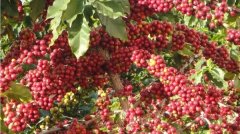
Brief introduction of Ethiopian Coffee
Ethiopia is the hometown of Arabica coffee, and it is in the forests of Kaffa that you can see wild Arabica coffee. In Ethiopian, coffee is called "Bun" or "Buna". Coffee beans (coffee bean) may be translated from "Kaffa Bun".

Flavor description of Ethiopian Coffee Manor introduction of High-quality Coffee beans in producing areas
In February 1977, Lieutenant Colonel Mengistu Haier Maryam (MENGISTU HAILE MARIAM) launched a military coup and served as Chairman of the interim military Administrative Council and head of State. In 1979, the Ethiopian Labor people's Party Organization Committee, dominated by soldiers, was established to implement an one-party system. In 1984, the Ethiopian Workers' Party was formed according to the Soviet Communist Party model. Mengistu, September 1987

Fragrant Ethiopian Coffee Manor Fine Coffee Bean Flavor, Taste and aroma description, Jane
The coffee producing areas of Ethiopia are Sidamo, Harald and Sidamo, Harrar and Yirgacheffe. Sidamo and Harrar are provinces and divisions. Sidamo is located in the south of Ethiopia bordering Kenya, and Harrar borders Somalia in the east of Ethiopia. Although Yirgacheffe is a community in the Sidamo region, due to soil composition and water content and other reasons.

Coffee Flavor description of Ethiopian Coffee Manor Coffee Flavor description of roasting degree Price planting Environment
Ethiopian coffee beans grow in close to the natural environment, after years of planting under the same growth conditions, Ethiopian coffee beans have gradually adapted to the environment here. More than 60% of coffee beans are grown in forests or semi-forests. Large-scale coffee-growing villages account for about 35% of the country's total coffee production. Many of these are used.

Introduction to the grade of Ethiopian coffee
Grade of Ethiopian coffee: Ethiopian washed coffee Yega Chuefei G1 G2 Sidamo (Yirgacheffe, Sidamo) has the highest grades 2 and 3 (G2, G3), while sun-processed coffee in eastern Ethiopia is mostly grade 4 or 5 (G4, G5). In many cases, level 4 coffee is marked as level 5 in order to reduce taxes. At present, the classification is not uniform and there are

Introduction of Ethiopian Sidamo Coffee beans at High altitude
Sidamo grows in the southernmost Ethiopian plateau between 4600 and 7200 feet above sea level (Sidamo province). It is a famous boutique coffee area in southern Ethiopia, bordering Kenya, southeast of Gemma, just south of the capital, usually sweet and loved by most people. its annual output is about 225000 bags / 60kg, with a smaller bean body than Longberry, with gray in the green, in Sidamo.

Ethiopian Rose Summer Ethiopian Rose Summer Village Story is Ethiopia Rose Summer delicious
More information on coffee beans Please follow Coffee Workshop (Wechat official account cafe_style) the Ethiopian village of Rosa in Ethiopia, just a few kilometers from the South Sudanese border, has a farm called Bench Maji that is shaping the future of coffee by delving into its past. Gesha Village is building a new template that will

Ethiopian coffee introduction Ethiopian coffee beans exquisite coffee beans and introduction
Ethiopia is the hometown of Arabica coffee, and it is in the forests of Kaffa that you can see wild Arabica coffee. In Ethiopian, coffee is called Bun or Buna, and coffee beans (coffee bean) may be translated from Kaffa Bun. Arabica coffee was discovered early in the Harald area.

Introduction of Ethiopian Sidamo Candle Coffee introduction to the flavor of Sidamo Candle Coffee
Professional coffee knowledge exchange more coffee bean information please follow the coffee workshop (Wechat official account cafe_style) front street Sidamo 90 + Candle Coffee brief introduction to the candle producing area Sidamo grows in the southernmost Ethiopian plateau between 4600 and 7200 feet above sea level (Sidamo Province), is a famous boutique coffee area in southern Ethiopia, bordering Kenya, southeast of Gemma

Introduction to the characteristics of High-quality Coffee produced by the Grinding degree treatment method of Ethiopian Coffee Manor
Grade of Ethiopian coffee: Ethiopian washed coffee Yega Chuefei G1 G2 Sidamo (Yirgacheffe, Sidamo) has the highest grades 2 and 3 (G2, G3), while sun-processed coffee in eastern Ethiopia is mostly grade 4 or 5 (G4, G5). In many cases, level 4 coffee is marked as level 5 in order to reduce taxes. At present, the classification is not uniform and there are

Longer than the southernmost Ethiopian plateau between 4600-7200 feet above sea level (Sidamo province) to the west
Sidamo grows in the southernmost Ethiopian plateau between 4,600 - 7,200 feet above sea level (Sidamo province). It is a famous boutique coffee area in southern Ethiopia, bordering Kenya, southeast of Gemma, due south of the capital. It is usually sweeter and more popular than most people. Its annual production is about 225000 bags/60kg. The beans are smaller than Longberry, green and gray.

Taste Unique Ethiopian Yega Shefi Cochir Estate Coffee Flavor Description Taste Variety Introduction
In Ethiopia, people take pride in coffee and see it as a gift to the world. To this day, many Ethiopian families still maintain the ritual of daily coffee celebrations, with the hostess of each family inviting family and neighbors for coffee more than once a day. In their view, this is a way to show friendship and respect. Ethiopia is a magical land, filled with
A brief introduction to boutique coffee and Ethiopian coffee
Ethiopia is the hometown of Arabica coffee, and it is in the forests of Kaffa that you can see wild Arabica coffee. In Ethiopian, coffee is called Bun or Buna, and coffee beans (coffee bean) may be translated from Kaffa Bun. Arabica coffee was discovered early in the Harar area, probably from the card.

The hometown of Ethiopian Arabica Coffee the grade of Ethiopian coffee
Professional coffee knowledge exchange more coffee bean information Please pay attention to the coffee workshop (Wechat official account cafe_style) afraid of insomnia, palpitations, drink decaf coffee is healthier? Are you worried about palpitations, insomnia, or switching to decaffeinated coffee because of pregnancy? When drinking coffee, you want to consume less caffeine, which is actually similar to the variety of coffee beans and the size of grinding particles.